
The Midwest stretches across a vast and varied landscape - from the lakefront energy of Chicago's suburbs to the outdoor corridors of Ohio and the Iron Range of Minnesota. Finding a highly rated hotel here means navigating very different local contexts: urban accessibility, highway proximity, and regional activity hubs all shape how useful your accommodation actually is. This guide cuts through the noise and focuses on six consistently well-reviewed properties that serve distinct traveler needs across the region.
What It's Like Staying in the Midwest
The Midwest is not a single destination - it's a travel ecosystem spanning flatlands, Great Lakes shorelines, national forest edges, and mid-sized cities with surprisingly efficient infrastructure. Car travel dominates here, with most attractions and hotels connected by interstate highways rather than public transit. Crowd patterns vary sharply: Chicago's suburbs see consistent year-round demand, while rural Midwest destinations like Ipswich, South Dakota or Mountain Iron, Minnesota draw seasonal visitors tied to outdoor recreation. Families, road-trippers, and travelers seeking value-per-square-foot tend to benefit most from staying in this region - those expecting walkable urban density may find the pace slower than anticipated.
Accommodation costs run notably lower than coastal US markets, with quality properties available at competitive rates across Indiana, Kansas, Minnesota, and Ohio. The trade-off is that many top-rated hotels sit outside city centers, requiring a vehicle for most activities.
Pros:
- Lower accommodation costs compared to coastal US cities, with more space per dollar
- Strong highway connectivity makes multi-city Midwest road trips logistically practical
- High-rated properties tend to include amenities like free parking and breakfast - rare in urban markets
Cons:
- Public transportation is limited or nonexistent in most Midwest towns and suburbs
- Seasonal demand spikes (summer outdoor season, winter ski areas) can reduce availability quickly
- Remote locations mean fewer dining or entertainment options within walking distance
Why Choose Highly Rated Hotels in the Midwest
Booking a highly rated hotel in the Midwest carries specific practical advantages. Guest review scores here tend to reflect consistency - cleanliness, value, and reliability - rather than luxury features, which means a top-rated Midwest property typically delivers on exactly what road-trip and family travelers prioritize. Unlike coastal markets where high scores can mask inflated pricing, Midwest hotels with strong ratings often cost around 40% less than comparable-quality properties in New York or California. Room sizes are generally more generous, free parking is nearly universal, and breakfast inclusions are common across mid-range options. The trade-off is that top-rated properties in smaller Midwest towns may lack on-site dining variety or concierge-level services found in metropolitan hotels.
Pros:
- Free parking and free WiFi are standard features at most highly rated Midwest hotels
- Room sizes tend to be larger than urban US equivalents at the same price point
- Breakfast inclusions are frequent, reducing daily travel costs for families and couples
Cons:
- Fewer walkable restaurants or nightlife options near many highly rated properties
- Amenity sets can be functional rather than design-forward or boutique in feel
- Some top-rated hotels in smaller markets have limited check-in flexibility or staffing hours
Practical Booking & Area Strategy
Positioning matters significantly across the Midwest because distances between attractions are real. In the Chicago metro area, Arlington Heights sits around 16 km from O'Hare International Airport - making it a logical base for families needing airport proximity without downtown Chicago prices. In Ohio, Loudonville places visitors within reach of Mohican State Forest hiking trails and Amish country routes. Minnesota's Iron Range towns like Mountain Iron are best booked well ahead of winter ski season and summer festival weekends, as inventory shrinks fast. For Kansas, Pittsburg operates as a regional commercial hub with solid highway access to Joplin and Wichita. Booking at least 6 weeks in advance during summer (June-August) is strongly recommended across all Midwest leisure destinations, as peak outdoor season drives occupancy sharply upward. Madison, Indiana - a National Historic Landmark District - draws architectural and history travelers, particularly in spring and fall when the Ohio River corridor is most scenic.
Best Value Stays
These properties deliver strong guest ratings with practical amenities that suit road-trippers, families, and budget-conscious travelers who prioritize function over frills across the Midwest.
-
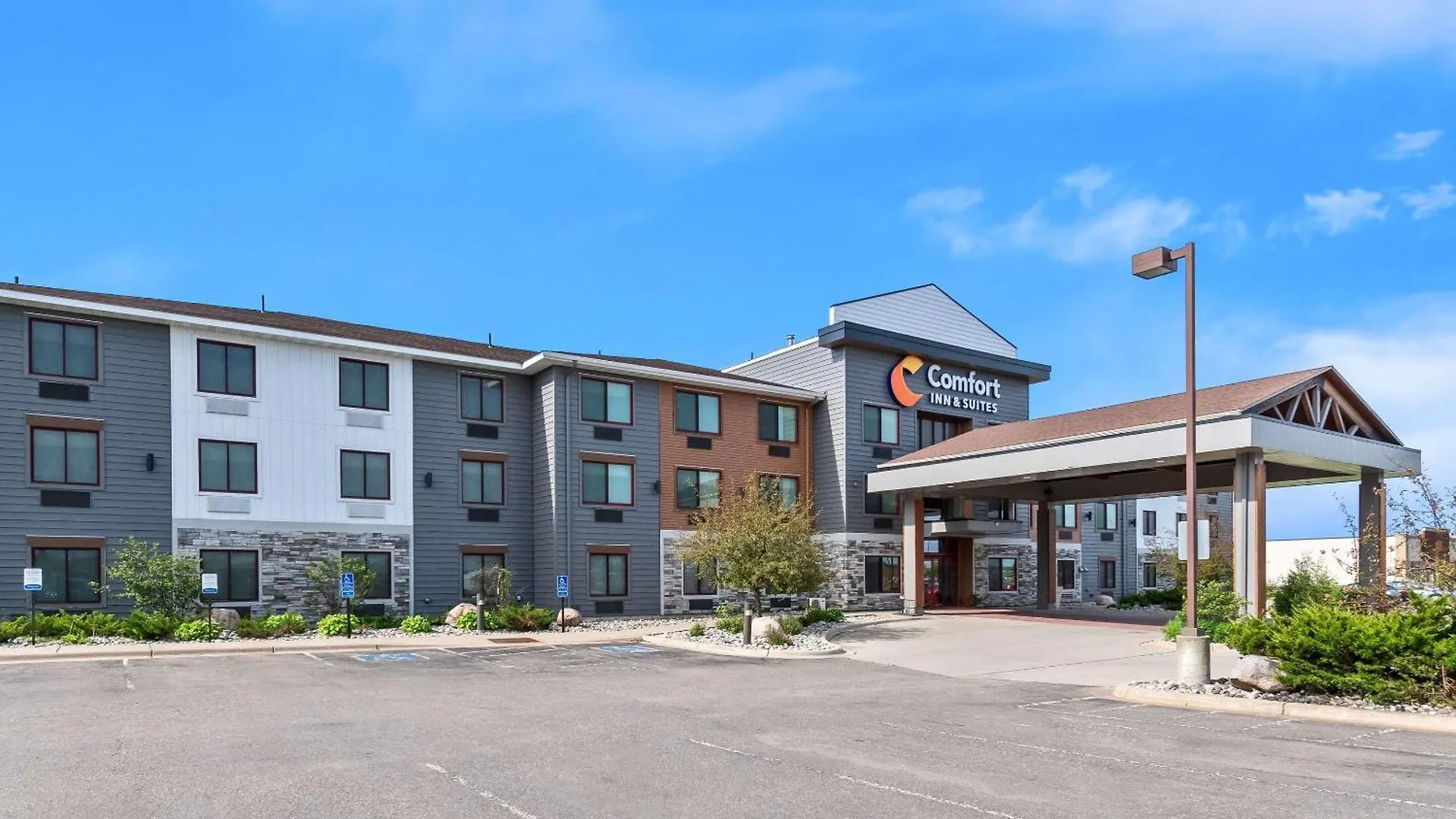
1. Comfort Inn & Suites Mountain Iron And Virginia
Show on map


 Check-infrom 15:00 until 23:59Check-outuntil 11:00
Just a few rooms left at the best rate!
fromUS$ 263
-
2. Holiday Inn Express & Suites Pittsburg By Ihg
Show on map


 Check-infrom 15:00 until 23:59Check-outuntil 11:00
Just a few rooms left at the best rate!
fromUS$ 164
-
3. Yellowstone Motel
Show on map


 Check-infrom 15:00 until 20:00Check-outfrom 09:00 until 10:00
Rooms filling fast – secure the best rate!
fromUS$ 110
Best Premium Stays
These properties offer more distinctive settings, larger footprints, or location-specific advantages that justify a higher investment for travelers seeking character or extended-stay comfort in the Midwest.
-
4. Arlington Heights 5Bd 3Bth Sleeps 14 With Driveway Parking
Show on map


 Check-infrom 16:00 until 23:59Check-outuntil 11:00
Hurry – almost gone at this price!
-
5. The Chandler Hotel
Show on map


 Check-infrom 16:00 until 23:59Check-outuntil 11:00
Hurry – almost gone at this price!
fromUS$ 179
-
6. The Hemlock Inn
Show on map


 Check-infrom 15:00 until 23:59Check-outfrom 10:00 until 11:00
Rooms filling fast – secure the best rate!
fromUS$ 132
Smart Travel & Timing Advice
Timing your Midwest hotel stay has a direct impact on both availability and price. Summer (June through August) is peak season across nearly every Midwest destination in this guide - outdoor recreation demand in Minnesota and Ohio, family travel around Chicago attractions, and festival seasons in Kansas all converge to fill inventory quickly. Rates at well-reviewed properties can climb around 35% above off-season averages during July Fourth week and Labor Day weekend. Spring (April-May) and fall (September-October) offer the best balance of pleasant weather, lower rates, and manageable crowds - particularly for Madison, Indiana and Loudonville, Ohio, where natural scenery is at its most appealing. Book at least 6 weeks ahead for summer stays in Arlington Heights or Mountain Iron; last-minute availability in peak weeks is limited and often restricted to less desirable room types. Winter travel to northern Minnesota should account for road conditions and reduced daylight, though Mountain Iron's ski access makes it a purposeful cold-weather destination. For Kansas and South Dakota properties, weekday stays consistently undercut weekend rates by a meaningful margin - a reliable savings lever for flexible travelers.


