
Staying connected in the Appalachian Mountains is no longer a trade-off between nature and productivity. From the ridgelines of northern Georgia to the hollows of West Virginia and the foothills of Pennsylvania, a growing number of hotels, cabins, and extended-stay properties offer reliable, highly rated WiFi - making them practical for remote workers, families coordinating itineraries, and hikers who still need to upload trail footage. This guide breaks down the top user-rated WiFi hotels across the Appalachian corridor so you can book with confidence.
What It's Like Staying in the Appalachian Mountains
The Appalachian Mountains stretch over 2,000 miles across 14 states, but the lodging experience shares a common rhythm: mornings are quiet, roads are narrow, and cell service is inconsistent outside of town centers. Most gateway towns sit within 30 to 60 minutes of major trailheads, which means your hotel's location directly determines how early you can hit the trail. Crowds peak on fall weekends - particularly October - when leaf-peeping draws visitors from Atlanta, Pittsburgh, and Charlotte simultaneously, tightening room availability across the entire corridor.
Unlike urban destinations, the Appalachian region rewards guests who plan ahead. Spontaneous bookings often mean settling for motels on busy state highways rather than cabins near the forest edge. WiFi quality varies dramatically by elevation, making it critical to verify connectivity before booking if you're working remotely or managing a group trip.
Pros:
- Direct access to Blue Ridge Parkway, Chattahoochee National Forest, and Monongahela National Forest without long drives
- Lower accommodation costs compared to coastal or urban national park destinations
- Authentic small-town character in gateway communities like Galax, VA and East Ellijay, GA
Cons:
- Limited public transportation - a car is essential in virtually every sub-region
- Restaurant and grocery options thin out quickly after 8 PM in smaller towns
- Mobile data coverage drops significantly on mountain roads and at higher elevations
Why Choose Hotels With High WiFi Ratings in the Appalachian Mountains
In a region where cell towers are scarce and satellite internet is still the norm for many rural properties, a hotel's WiFi rating carries real weight. User-reviewed WiFi quality is one of the top booking filters for Appalachian stays, particularly among remote workers using the mountains as a working retreat and families streaming content after long hiking days. Properties with verified, fast WiFi tend to cluster in town centers - not deep in the forest - which also puts you closer to grocery stores, gas stations, and urgent care facilities.
Extended-stay formats like Suburban Studios in Altoona provide in-room kitchen setups alongside their connectivity, making them cost-efficient for longer visits. Cabins like Woodsy Way in Oakland, WV, offer private-entry isolation with surprisingly capable WiFi, though speeds rarely match urban broadband. Expect to pay around 15% more for a property with consistently high WiFi scores compared to similar-star alternatives in the same town.
Pros:
- Reliable connectivity supports remote work, video streaming, and navigation app syncing in low-signal zones
- Higher-rated WiFi properties tend to be better maintained overall, reflecting stronger management standards
- Useful for families needing to keep kids entertained after dark when outdoor activities end
Cons:
- Top-rated WiFi properties in the Appalachians are concentrated in town centers, not scenic hilltop locations
- Cabin-style properties with good WiFi book out weeks ahead during peak fall foliage season
- Speed benchmarks vary - "free WiFi" at a 2-star motor inn rarely equals a 50 Mbps business-class connection
Practical Booking & Area Strategy for the Appalachian Mountains
The Appalachian Mountain corridor spans several distinct sub-regions, each with different access logic. In northern Georgia, East Ellijay is the best-positioned base for Chattahoochee National Forest, sitting less than a mile from the town center and within 2 miles of major trailheads. In western Virginia, Galax serves as a practical hub for Blue Ridge Music Center visits and Stone Mountain State Park day trips. Altoona, Pennsylvania, anchors the central Appalachian stretch near Lakemont Park and Horseshoe Curve - a National Historic Landmark - with the Altoona Railroaders Memorial Museum under 5 kilometers away. Oakland, West Virginia, offers the most secluded cabin experience, ideal for travelers prioritizing privacy over convenience, with Morgantown Municipal Airport around 61 kilometers out.
Book at least 6 weeks ahead for any October stay - foliage season drives occupancy above 90% at top-rated properties across all four states. For spring hiking trips, last-minute deals are more viable, particularly at motor inns and extended-stay studios that cater to weekday business travelers. Walking distances to restaurants and trailheads matter enormously in these small towns; always confirm the property's position relative to the main street before finalizing.
Best Value WiFi Stays
These properties deliver reliable, user-praised WiFi at accessible price points, making them strong choices for budget-conscious hikers, road-trippers, and remote workers passing through the Appalachian corridor.
-
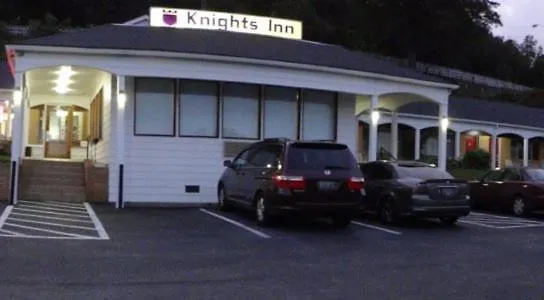
1. Knights Inn Galax
Show on map


 Check-infrom 14:00 until 23:59Check-outuntil 11:00
Just a few rooms left at the best rate!
fromUS$ 33
-
2. Stratford Motor Inn East Ellijay
Show on map


 Check-infrom 15:00 until 23:59Check-outuntil 11:00
Just a few rooms left at the best rate!
fromUS$ 60
Best Premium WiFi Stays
These properties offer stronger amenity packages and more distinctive accommodations - from full cabin privacy to extended-stay studio setups with mountain views - for travelers who want more than a basic overnight stop.
-
3. Woodsy Way Cabin
Show on map


 Check-infrom 16:00 until 23:59Check-outuntil 10:00
Hurry – almost gone at this price!
fromUS$ 177
-
4. Suburban Studios
Show on map


 Check-infrom 15:00 until 23:59Check-outuntil 12:00
Rooms filling fast – secure the best rate!
fromUS$ 89
Smart Travel & Timing Advice for the Appalachian Mountains
The Appalachian Mountains operate on two clear seasons for hotel demand: summer (June-August) and fall foliage (mid-September through early November). October is the single most competitive booking month across the entire corridor - properties in East Ellijay, Galax, and Oakland routinely fill weeks in advance, and rates spike noticeably compared to the same rooms in September. Winter is the quietest window, with prices dropping at motor inns and extended-stay studios, though some cabin properties close or reduce services between December and February in higher-elevation zones like Oakland, WV.
Spring (April-May) offers the best balance of mild hiking weather, lower room rates, and available inventory - particularly for cabin properties like Woodsy Way that see high summer and fall demand. A minimum 3-night stay makes practical sense for most Appalachian trips, given the drive time involved in reaching trailheads and the density of day-trip options from any single base. For fall visits, book at least 6 weeks ahead; for spring and winter, 2 weeks is typically sufficient at all four properties featured here.


