Boston's metropolitan area stretches from walkable urban neighborhoods like the South End to suburban corridors in Braintree and Revere, giving budget travelers a surprisingly wide range of affordable lodging options. Whether you're visiting for the Freedom Trail, a Red Sox game at Fenway Park, or a university campus tour, cheap hotels in this region can save you significant money without forcing you to sacrifice access to key transit lines. This guide breaks down the most practical budget stays in the Boston metro, so you can book with confidence and spend your money where it counts.
What It's Like Staying in the Boston Metropolitan Area
The Boston Metropolitan Area combines one of America's most walkable historic downtowns with a dense suburban ring connected by the MBTA subway, commuter rail, and bus networks. The MBTA Red and Orange Lines make it possible to stay in suburbs like Braintree or Revere and still reach downtown Boston in under 30 minutes, which dramatically opens up your options when looking for affordable hotels. Crowds peak heavily along the Freedom Trail, in Cambridge, and around Fenway Park on game days, so staying slightly outside the urban core often means quieter nights and lower nightly rates.
Budget travelers benefit most from this region's transit density - you don't need a car to see Boston's major landmarks if you stay near an MBTA stop. That said, suburban stays require planning around train schedules, and some outer neighborhoods lack late-night transit options after around midnight.
Pros:
- MBTA access connects suburban budget hotels directly to Downtown Boston, Cambridge, and Fenway in under 30 minutes
- Braintree and Revere offer free parking at most budget hotels, unlike downtown properties that charge over $40 per night for parking
- Wide variety of neighborhoods means you can prioritize location, price, or space depending on your trip purpose
Cons:
- MBTA service ends around midnight, making late-night returns from downtown events logistically difficult without a rideshare
- Suburban hotel areas lack walkable dining options - you'll need a car or app-based delivery for evening meals
- Boston's peak tourism season drives up even budget hotel rates significantly, especially during college move-in weeks and marathon weekend
Why Choose Budget Hotels in the Boston Metropolitan Area
Budget hotels in the Boston metro range from no-frills suburban extended-stay properties to urban hostels steps from Boston Common, giving cost-conscious travelers genuine flexibility on how they balance price against location. Downtown budget options like hostels average around $50-$70 per night for dorm beds, while suburban budget hotels with private rooms typically run around $90-$130 per night - far below the downtown hotel average. The trade-off is almost always walkability versus affordability: the closer you are to Faneuil Hall or the Theater District, the less space and quiet you'll get for the price.
Extended-stay format hotels in the suburbs offer the best value for travelers staying more than 3 nights, as kitchens eliminate the cost of dining out for every meal. Urban budget hostels work best for solo travelers or pairs comfortable with shared spaces who want to spend more time outdoors exploring rather than in the room.
Pros:
- Extended-stay hotels with full kitchens eliminate daily food costs, a major advantage given Boston's above-average restaurant prices
- Suburban budget hotels typically include free parking, saving $40+ per night versus downtown hotel garages
- Urban hostels near Boston Common provide unmatched proximity to the Freedom Trail, Public Garden, and MBTA Green Line hubs
Cons:
- Budget hotel rooms in Boston metro are often smaller than comparable price points in other US cities, especially in urban locations
- Noise from street traffic and neighboring rooms is a common complaint in budget urban properties along major corridors
- Amenities like pools, fitness centers, and on-site dining are rare or absent in true budget-tier hotels across the region
Practical Booking & Area Strategy for Budget Stays
For budget travelers, the clearest strategic divide in the Boston metro is between staying in Braintree or Revere for suburban value versus booking a hostel bed in the Back Bay or South End for urban walkability. Braintree sits at the southern terminus of the MBTA Red Line, meaning you can park free at the hotel, take the subway directly to Downtown Crossing or Cambridge in around 25 minutes, and avoid both city parking fees and traffic entirely. Revere, north of the city, offers similar suburban pricing with Blue Line access into downtown, and sits close to Logan International Airport - useful if you have an early or late flight.
Boston's most crowded and expensive booking windows include Boston Marathon weekend in April, college graduation season in May and June, and fall foliage weekends in October. Booking at least 6 weeks ahead during these windows is critical for securing budget rates. For winter travel between January and March, same-week booking often yields the lowest prices across the metro, as leisure demand drops sharply. Key attractions like the Freedom Trail, Fenway Park, Harvard University, the New England Aquarium, and Quincy Market are all reachable via MBTA from any of the hotels featured in this guide.
Best Value Stays
These properties deliver the strongest cost-to-access ratio in the Boston metro, combining low nightly rates with practical transit links or included amenities that reduce your total trip cost.
-
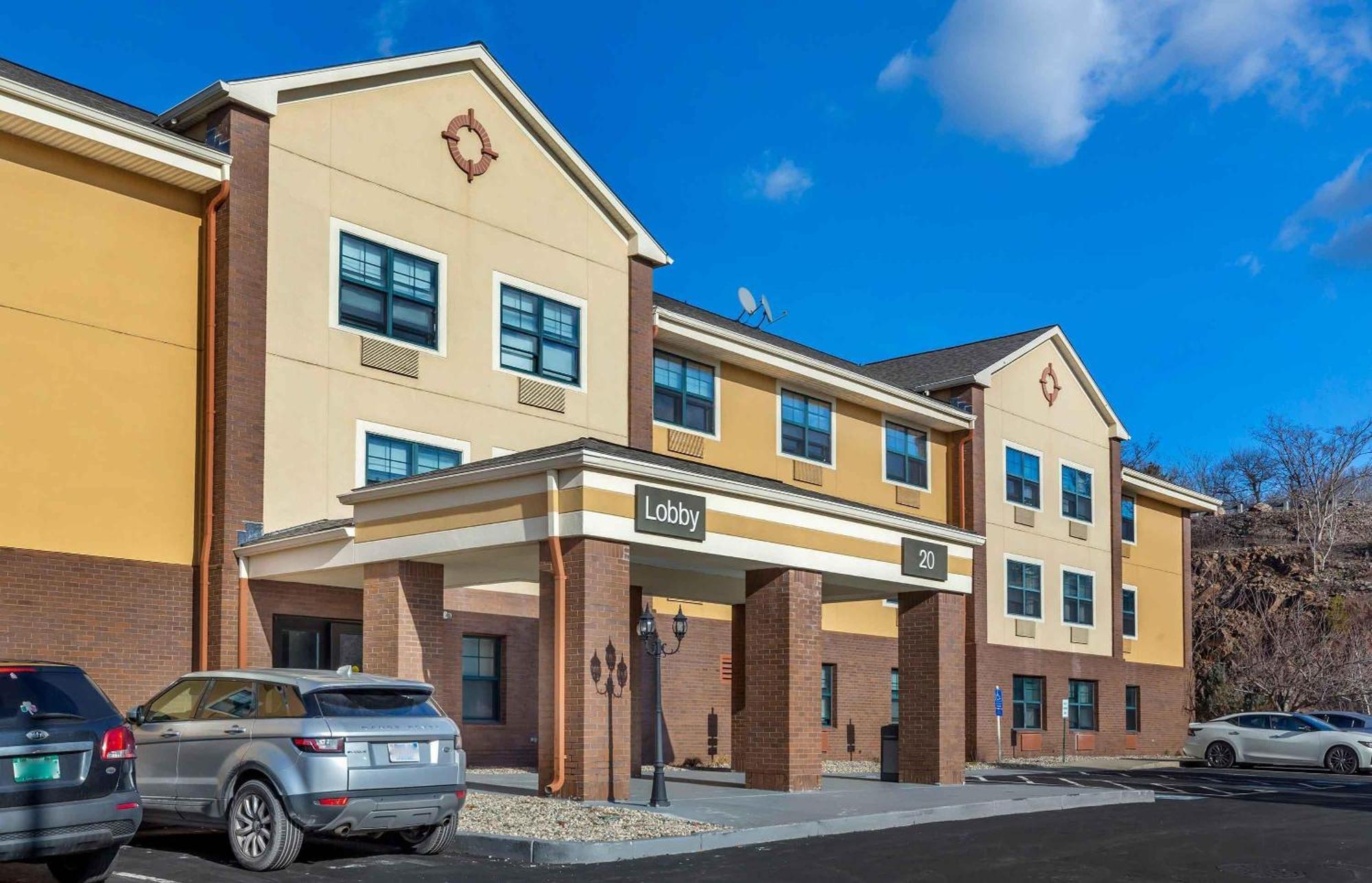
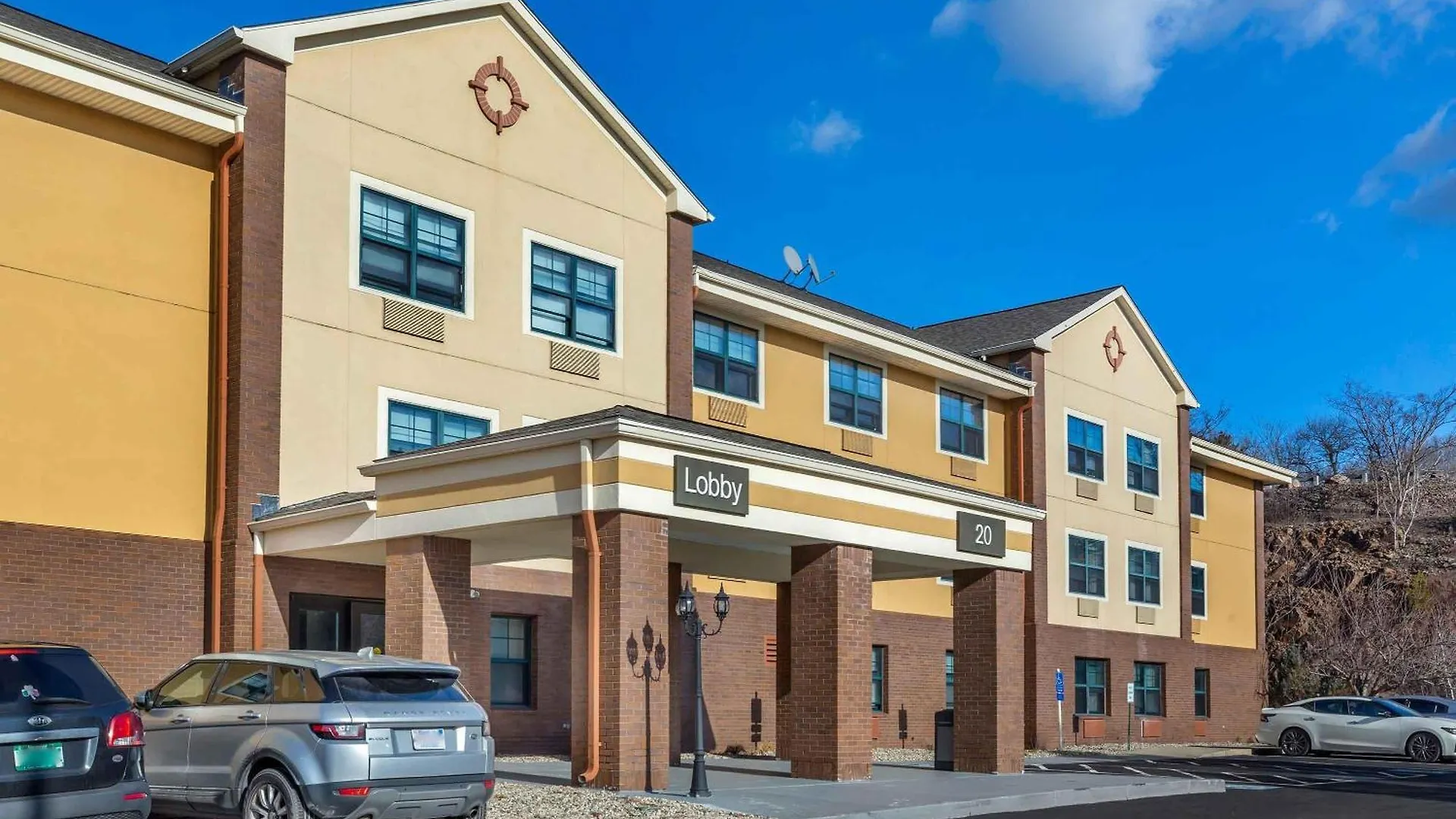
1. Extended Stay America Suites - Boston - Braintree
Show on map


Just a few rooms left at the best rate!
fromUS$ 110
-
2. Hi Boston Hostel
Show on map


Just a few rooms left at the best rate!
fromUS$ 34
-
3. Hotel Boston
Show on map


Hurry – almost gone at this price!
fromUS$ 115
Best Premium Budget Option
This property offers a step above the standard budget tier, with a stronger location or broader amenity set that justifies a slightly higher rate for travelers who want more comfort without paying full mid-range prices.
-
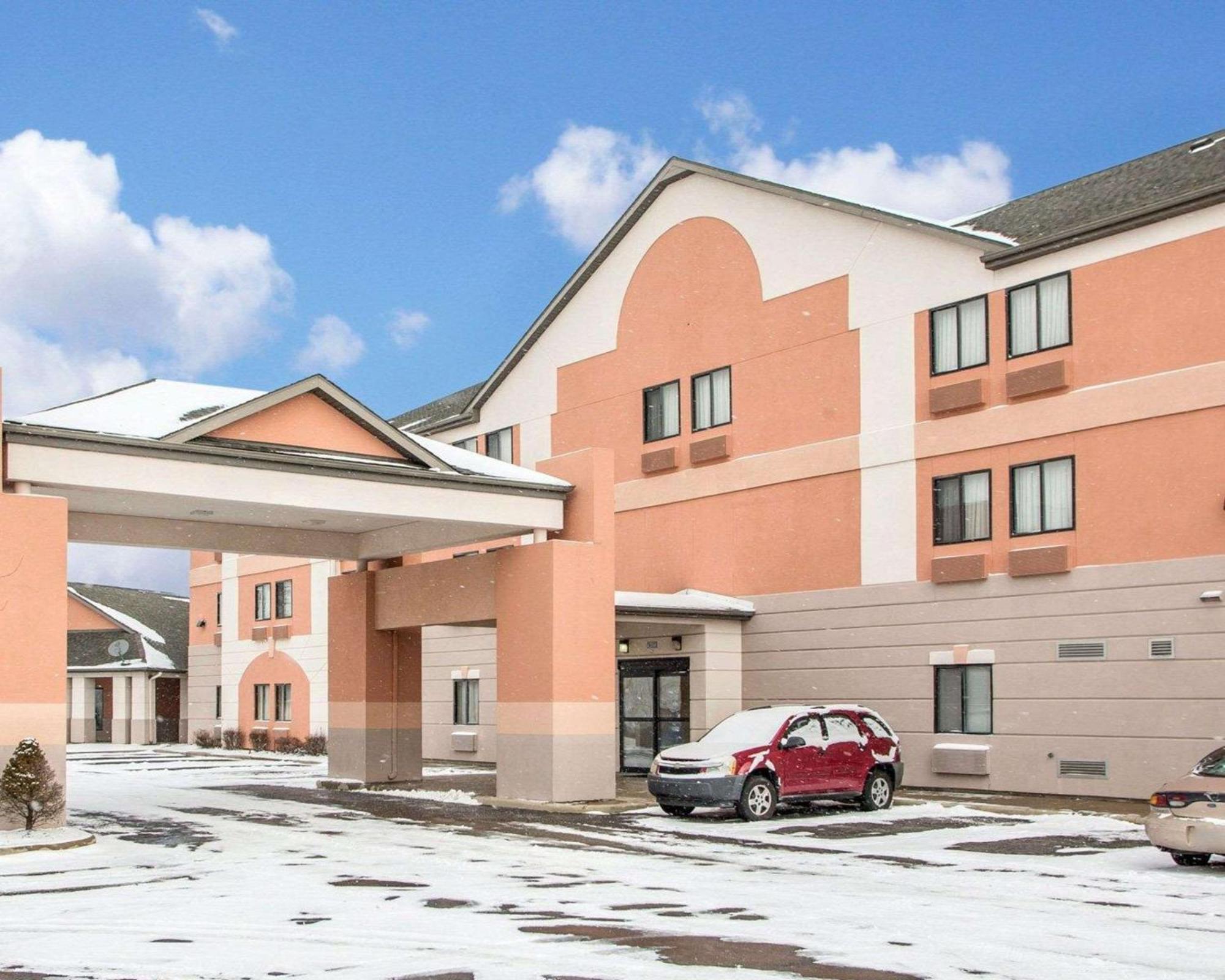
4. Quality Inn Boston-Revere
Show on map


Rooms filling fast – secure the best rate!
fromUS$ 194
Smart Travel & Timing Advice for Boston Metro Budget Hotels
The Boston metro has one of the most predictable seasonal pricing patterns of any major US city, which works in favor of budget travelers who plan ahead. January through mid-March is the clearest low-demand window, when budget hotel rates drop noticeably and availability is high even on short notice - ideal for travelers with flexibility on dates. The most expensive periods for budget hotels are Boston Marathon weekend (third Monday in April), college graduation weekends in May and June, and October foliage weekends, when even suburban properties in Braintree and Revere see rates spike sharply.
For summer travel between July and August, book at least 6 weeks in advance to secure the better budget rooms, as family travel and international tourism push occupancy high across the metro. A 3-night minimum stay makes the most logistical sense in Boston - enough time to cover the Freedom Trail, a Fenway Park game or campus tour, and at least one day trip to Cambridge or Quincy Market without feeling rushed. Extended-stay format hotels like the Braintree property offer weekly rate discounts that make stays of 5 nights or more substantially cheaper on a per-night basis. If your travel dates are fixed around a major event, last-minute budget rates in Boston metro are rarely favorable - early booking almost always wins here.